Are Zinsco Electrical Panels Dangerous? Upgrade Guide
Worried about a Zinsco electrical panel? Learn why they’re considered risky, how to spot one, and what to expect when upgrading to a modern, safer panel.
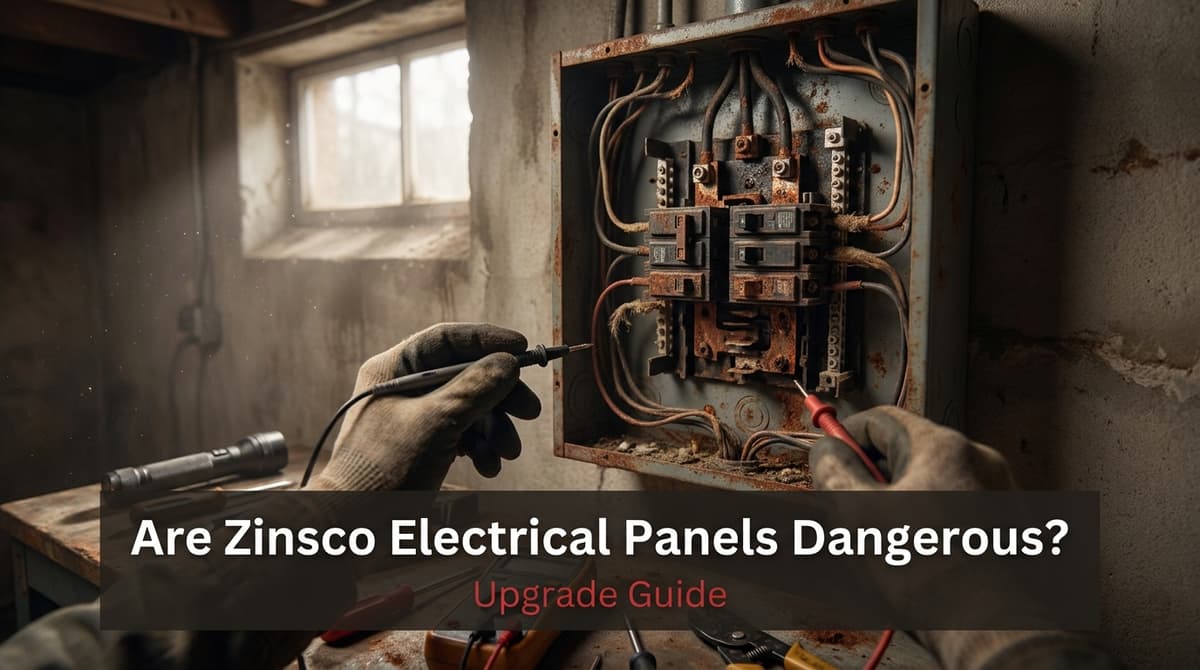
Why So Many Homeowners Are Replacing Zinsco Panels
We recently got a call from a homeowner — let’s call him Tom — who asked for an estimate to replace his “old, outdated” electrical panel. As soon as he mentioned it was a Zinsco panel, we knew exactly why he was concerned.
We’ve seen a lot of Zinsco panels in older homes, and we gave Tom the same honest answer we give every homeowner: these panels have a long history of problems, and many insurance companies and home inspectors don’t like them. In this post, we’ll walk you through why Zinsco panels are considered risky, why so many homeowners are upgrading, and what you can expect if you decide to replace yours.
What Is a Zinsco Panel and Why the Concern?
Zinsco (and the later “Sylvania-Zinsco”) panels were widely installed in homes from the 1950s through the 1970s. At the time, they were a common brand, just like any other. The issues only became obvious years later as homes started drawing more power and electricians began seeing consistent failure patterns.
Over time, we and many other electricians have seen the same recurring problems:
- Breakers that don’t trip properly when there’s an overload or short circuit
- Bus bars that overheat and develop burn marks or melted spots
- Loose connections that can arc and create a fire hazard
- Aluminum bus material that corrodes and loses good contact with breakers
On the surface, a Zinsco panel might look fine. But inside, we often find damage that the homeowner had no idea was there.
Are Zinsco Electrical Panels Dangerous?
The short answer: they can be. Not every Zinsco panel is actively failing, but as a group they have a poor safety record compared to modern equipment. The biggest concern is that the breakers may fail to trip when they should.
When a breaker doesn’t trip during an overload or short, the wiring can overheat. The panel parts themselves can start to melt, and that can eventually lead to an electrical fire. We’ve opened Zinsco panels where the breakers were literally fused to the bus bar and couldn’t be removed without tools, even though they were “off.”
Because of this track record, some insurance companies flag Zinsco panels, and home inspectors often recommend replacement during a sale. That’s a big reason why homeowners like Tom call us before listing a home or right after buying an older one.
How to Tell If You Have a Zinsco Panel
If you’re not sure what kind of panel you have, here are a few clues we share with homeowners:
- Look for the name “Zinsco” or “Sylvania-Zinsco” on the inside of the panel door.
- Many Zinsco breakers have brightly colored toggle handles (red, blue, green, or orange).
- The breakers often run in a single vertical row with a somewhat unique, flat, narrow shape.
If you’re still not sure, you can always send us a clear photo of the inside of your panel (with the door open, but without removing any covers). We can usually identify it quickly and let you know if it’s something to be concerned about.
Why Many Homeowners Choose to Upgrade
When we met with Tom, his question was simple: “Do I really have to replace this?” We walked through the main reasons many homeowners decide to upgrade from a Zinsco panel:
- Safety and peace of mind: Knowing your breakers will trip properly is worth a lot.
- Insurance and resale: Some insurers charge more or won’t write a policy without replacement; buyers and inspectors often see Zinsco as a red flag.
- More electrical capacity: Older panels weren’t designed for today’s loads — EV chargers, hot tubs, large HVAC systems, and big kitchen appliances.
- Code compliance: A new panel brings your service up to current electrical code, which improves overall safety.
By the end of our visit, Tom told us his main goal was to stop “worrying every time something flickers.” That’s the peace of mind a proper upgrade can bring.
What to Expect During a Zinsco Panel Upgrade
We know panel replacements can sound intimidating, so we like to walk homeowners through the process step by step. When we upgrade a Zinsco panel, here’s what typically happens:
1. Free On-Site Evaluation and Quote
Just like we did for Tom, we start with a free consultation at your home. We:
- Inspect the existing Zinsco panel and service
- Check grounding and bonding
- Ask about any future plans (EV charger, remodel, hot tub, etc.)
- Measure available space and note any code or access issues
Then we provide a written quote and explain your options in plain language — panel size, brand, and any recommended upgrades.
2. Permits and Utility Coordination
For a main panel upgrade, we handle the permit with the city or county and coordinate with the utility if a service disconnect is required. Homeowners often tell us they’re relieved we take care of that paperwork and scheduling.
3. Panel Replacement Day
On the day of the work, you can expect:
- Power shutoff: We turn off power safely and verify everything is de-energized.
- Removal of the old Zinsco panel: We carefully disconnect circuits and remove the old enclosure.
- Installation of the new panel: We mount the new panel, install breakers, and clearly label each circuit.
- Grounding and bonding upgrades: We bring these up to current code where needed.
Most typical panel changes are completed in a single day, with power restored by late afternoon. We always let you know ahead of time how long we expect your power to be off so you can plan around work, refrigeration, and any medical equipment.
4. Inspection and Final Walkthrough
After installation, the city or county inspector signs off on the work. Then we walk you through the new panel, show you which breaker controls what, and answer any questions about future additions or maintenance.
Thinking About Replacing Your Zinsco Panel?
If you suspect you have a Zinsco panel — or you already know you do — it’s worth having a licensed electrician take a look. An inspection doesn’t automatically mean you must replace it tomorrow, but it does give you real information about its condition and your options.
When Tom’s project was complete, he told us the same thing many homeowners do: “I wish we’d done this sooner.” If you’d like us to take a look at your panel, we’re happy to come out, answer your questions, and give you a clear, no-pressure quote for an upgrade.